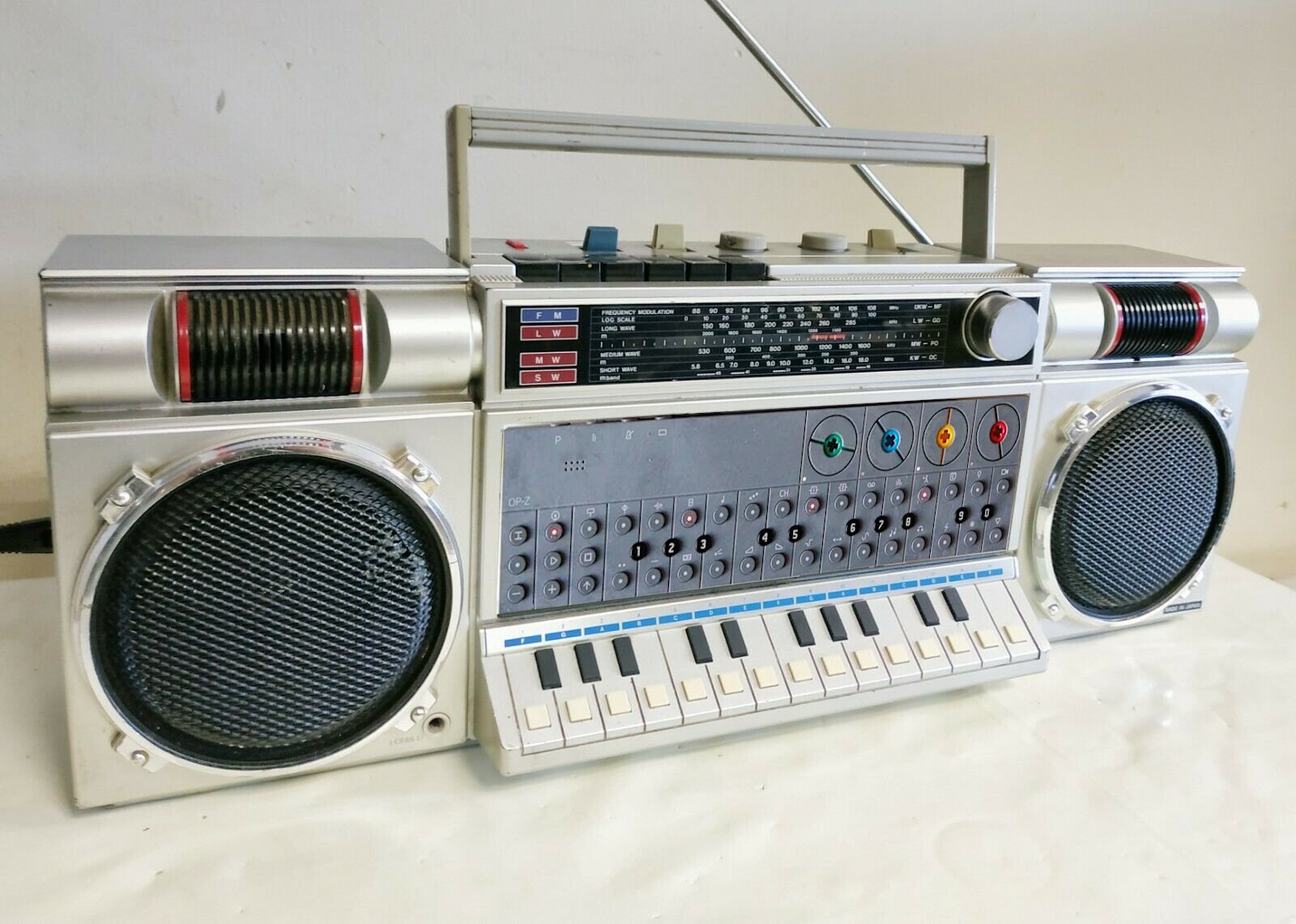
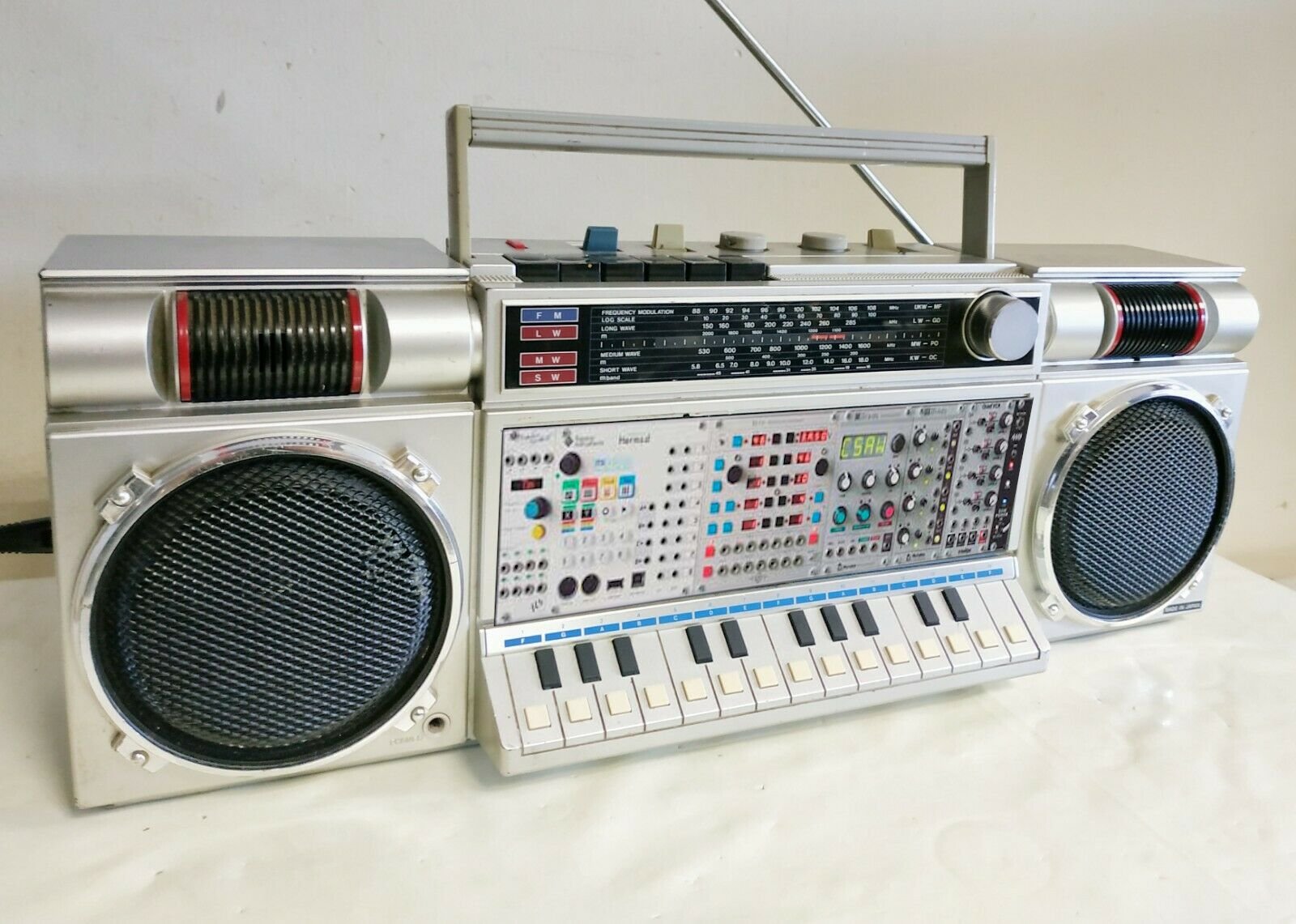
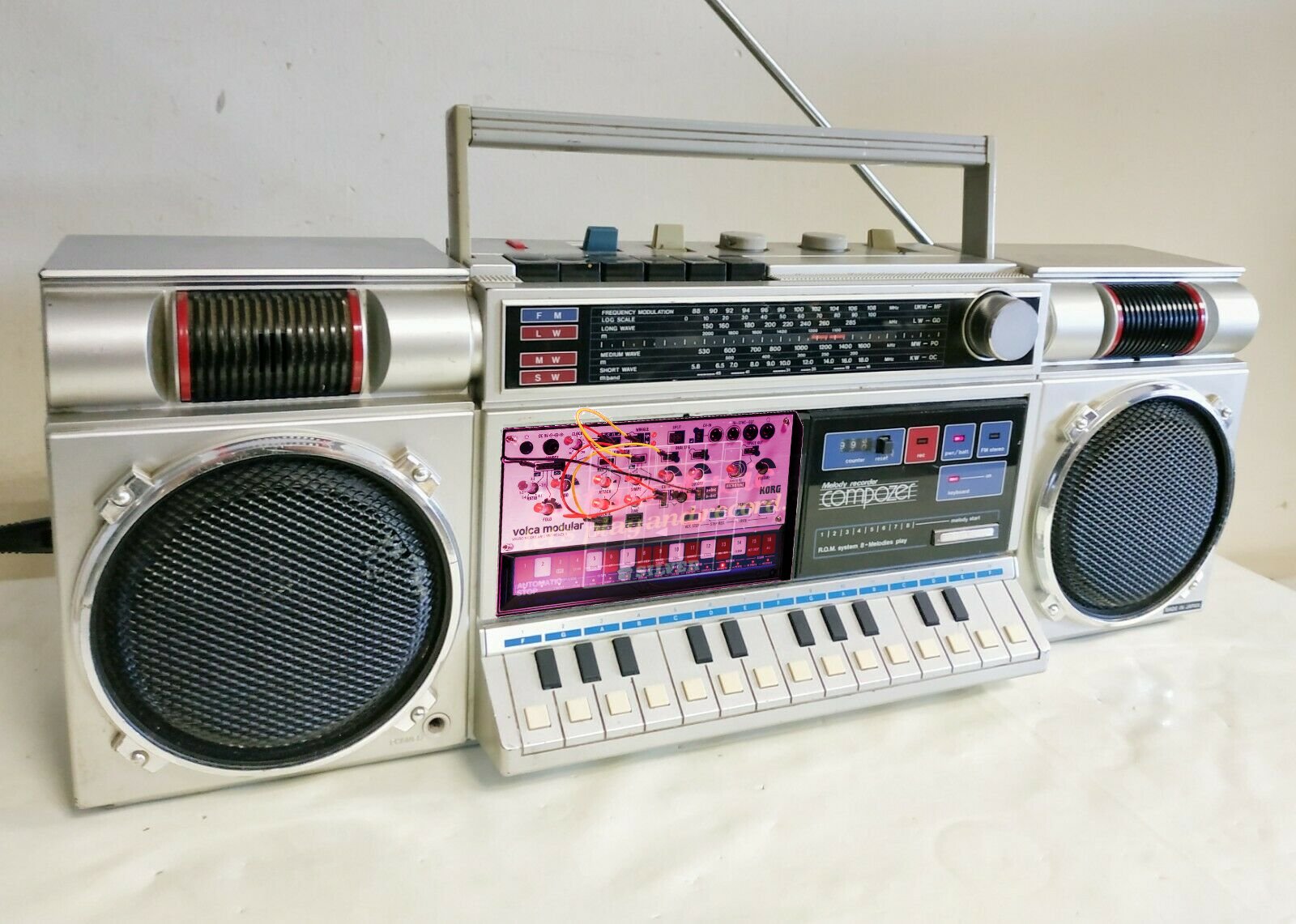
Not massively enthused by this racist and classist "exoticisation" of Brazil's "otherness" (poverty, urban squalor, ugly / animal people, cockroaches, crude sexuality) and the contrast being made with white, male, middle-class, hi-tech, artist qua space-explorers.
Horrible.
And the music is dull-as-ditchwater too. Go listen to where the real innovation is happening in Brasilian music.
Saturday, January 30, 2010
Friday, January 29, 2010
Talented Friend Watch #17 : Scribe's book A World of Corners is available to buy or download free.
Beautiful images.
Beautiful images.
Wednesday, January 27, 2010
So does the "device swarm" (or "splinternet" as Josh Bernoff calls it) spell the end of the web's golden age? (And help Apple to trounce Google into the bargain.)
Labels:
device swarm,
internet,
internet culture,
splinternet
As Apple prepares (allegedly) to reinvent the book publishing industry, pay attention to Lawrence Lessig on the micro-chunking of copyright.
Friday, January 08, 2010
January 1st, Gisel and I passed through Zurich, calling in at the legendary Cabaret Voltaire, where we found them celebrating the passing-out-of-copyright of, amongst others, Ravel. And we got invited to join in a rousing chorus of Dada Bolero.
Wednesday, January 06, 2010
Wednesday, December 23, 2009
Meanwhile, read Dariush's account of Copenhagen.
Labels:
climate change,
copenhagen,
dariush,
direct action,
politics
Was it really China that sabotaged Copenhagen?
Monday, December 21, 2009
This is majorly damning. HP computers are racist.
There's a real danger, that moving into a world of ubicomp, some groups are going to be systematically empowered or disempowered by generalizations built into video recognition software.
Labels:
magic,
political software,
politics,
racism,
ubicomp,
UI,
videorecognition
Thursday, December 10, 2009
Bloody hell!
There are major protests going on in Brasilia against the current governor, Jose Roberto Arruda, who's been caught in a corruption scandal. The Arruda government is definitely a can of worms which I saw up close when I was working, providing software to the Health Ministry, a couple of years ago. We were constantly being undermined by a rival company who's boss had allegedly donated millions to Arruda's campaign. There was ongoing political manoeuvring to have us replaced, some of it within our own partners, and some protected by high-level political figures within the ministry.
To the best of my knowledge, the people I worked for, weren't actually buying influence (at least, if they were, they didn't seem all that successful at it). But it's a constant, pervasive atmosphere throughout companies supplying the government, which tends to breed a kind fatalism. The assumption is that only those who play this game can ever succeed.
Anyway, some of my friends are involved in the protests and occupation of some local government buildings. Seems like the police have now been set on them.
Update : a video. Does this show police brutality? I'm not 100% sure I can see how the fight breaks out, but once it's triggered, they certainly start reacting aggressively.
There are major protests going on in Brasilia against the current governor, Jose Roberto Arruda, who's been caught in a corruption scandal. The Arruda government is definitely a can of worms which I saw up close when I was working, providing software to the Health Ministry, a couple of years ago. We were constantly being undermined by a rival company who's boss had allegedly donated millions to Arruda's campaign. There was ongoing political manoeuvring to have us replaced, some of it within our own partners, and some protected by high-level political figures within the ministry.
To the best of my knowledge, the people I worked for, weren't actually buying influence (at least, if they were, they didn't seem all that successful at it). But it's a constant, pervasive atmosphere throughout companies supplying the government, which tends to breed a kind fatalism. The assumption is that only those who play this game can ever succeed.
Anyway, some of my friends are involved in the protests and occupation of some local government buildings. Seems like the police have now been set on them.
Update : a video. Does this show police brutality? I'm not 100% sure I can see how the fight breaks out, but once it's triggered, they certainly start reacting aggressively.
Tuesday, December 01, 2009
Awesome! Pinwall from Urban Screen.
Monday, November 30, 2009
Good blog-post about the problem of large-scale software simulations in science.
I'm obviously a fan of science-through-simulation so I think that the problems raised don't kill it. Or rather, I think that these issues are not a sign that something has "gone wrong" with science. They are an inevitable part of the maturing of simulation as a tool.
But clearly there's a unarguable need for the code to be available for reviewers. And ideally, to a wider community (hey! OPTIMAES) In fact, this is what I called "the dialogue of models", where competing models are presented and criticised as a way of refining everyone's understanding of the issues.
But what else can be done? Because, frankly, even when the code is out there, the number of people with sufficient understanding and time to analyse it, is going to be vanishingly small. And code is big and complex and time consuming. So the chance of it being "properly" peer-reviewed is low.
Higher-level languages make it easier to express more, more concisely. But they require abstractions are commensurately hard to unpack.
Another option is to use common toolkits like Repast where the task of debugging and verifying the underlying infrastructure is shared among many peers. Similarly, the data-sets need to be accepted and shared within the peer community. (There seems to be a list of climate data repositories here.)
But what else could be done?
I'm obviously a fan of science-through-simulation so I think that the problems raised don't kill it. Or rather, I think that these issues are not a sign that something has "gone wrong" with science. They are an inevitable part of the maturing of simulation as a tool.
But clearly there's a unarguable need for the code to be available for reviewers. And ideally, to a wider community (hey! OPTIMAES) In fact, this is what I called "the dialogue of models", where competing models are presented and criticised as a way of refining everyone's understanding of the issues.
But what else can be done? Because, frankly, even when the code is out there, the number of people with sufficient understanding and time to analyse it, is going to be vanishingly small. And code is big and complex and time consuming. So the chance of it being "properly" peer-reviewed is low.
Higher-level languages make it easier to express more, more concisely. But they require abstractions are commensurately hard to unpack.
Another option is to use common toolkits like Repast where the task of debugging and verifying the underlying infrastructure is shared among many peers. Similarly, the data-sets need to be accepted and shared within the peer community. (There seems to be a list of climate data repositories here.)
But what else could be done?
Sunday, November 29, 2009
Thursday, November 26, 2009
Tuesday, November 24, 2009
Talented Friend Watch #16 : Aharon Amir won the prize in the "shadow search" competition : a search-engine algorithm as art-form.
(Note that I helped out with some of the pseudo-code, but it's basically Aharon's idea and work.)
Thursday, November 19, 2009
Labels:
lights,
magic,
pranav mistry,
projectors,
ubicomp
Subscribe to:
Posts (Atom)